
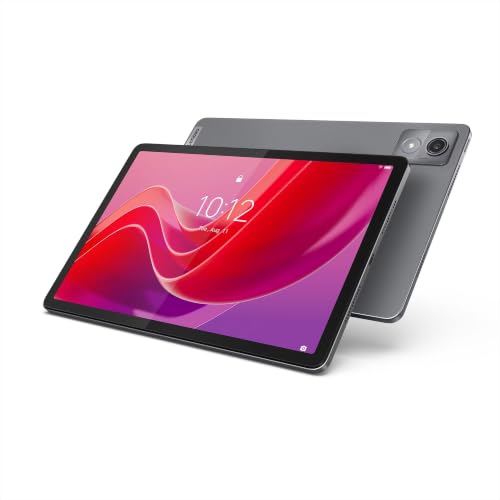
The Lenovo Tab K11 is a sensibly equipped Android tablet whose appeal rests on versatility rather than a single headline feature. An 11-inch IPS display, bundled pen support, 4G LTE and a stated ten-hour battery life give it a broad remit: it is designed for reading, note-taking, media consumption and connected use away from a fixed Wi-Fi network. The specification points to a practical all-rounder for buyers who value flexibility.
A useful canvas
The 1920x1200 resolution is appropriate to the tablet's 11-inch format, while the 90Hz refresh rate gives the panel technical foundations for smoother motion than a conventional 60Hz display. There is no supplied brightness or colour information, so the firm conclusion is narrower: this is a sizeable, higher-refresh IPS canvas for general Android use, rather than a display whose visual performance can be characterised beyond those confirmed figures.
Pen support is more consequential. Lenovo includes the pen, making handwritten notes, marking documents and direct onscreen input central parts of the product's intended role rather than an accessory purchase to budget for separately. That helps distinguish the tablet's use case from a basic consumption device. However, keyboard support is explicitly absent, so buyers planning a hardware-based typing workflow should regard the K11 primarily as a pen-enabled tablet, not as a complete laptop-style setup.
Connected and portable
The 4G LTE provision gives the K11 a degree of independence from Wi-Fi, subject to the relevant network arrangement. Wi-Fi 5 and Bluetooth 5.1 cover its stated wireless connections, while the card slot provides an additional route for storage flexibility alongside 128GB built-in storage. The inclusion of a 3.5mm headphone/microphone combo jack is also practical for users with wired audio equipment.
Its 7,040mAh battery and claimed ten-hour battery life indicate a design intended for extended sessions, although the supplied figure is the relevant manufacturer claim rather than an independent endurance result. The MediaTek Helio G88, paired with 8GB of RAM, establishes a clearly specified Android hardware platform; it is best understood here as the engine for the tablet's general-purpose positioning, without extending that into unverified performance claims.
Defined compromises
The camera hardware is straightforward: an 8MP rear camera and an 8MP front camera. Those resolutions cover basic tablet imaging roles on paper, but they do not suggest a camera-led identity. The single USB-C 2.0 port is useful for the tablet's wired connection, yet its stated standard marks a clear limitation in port capability. Android 13 or later supplies the software foundation, while the combination of 128GB storage and a card slot supports a practical ownership proposition.